As an experienced custom packaging manufacturer, we know color is the core of standout packaging. Brand owners, e-commerce sellers and designers always ask: what’s the difference between CMYK, RGB and PMS? Which fits my custom box printing best?
Picking the wrong color space leads to costly reworks, color shifts and brand image mismatch. This guide breaks down the key differences, ideal use cases, and how to get perfect printing results for your packaging.
Core Basics: Process vs Spot Color Printing
Before diving in, it’s critical to understand the two foundational printing methods:
Process (4-color) printing: Mixes 4 standard inks on-press, which forms the CMYK system, the global standard for full-color printing.
Spot color printing: Uses pre-mixed, standardized inks with dedicated printing plates, delivering unmatched color consistency. The Pantone Matching System (PMS) is the global gold standard for spot color printing.
What Is RGB?
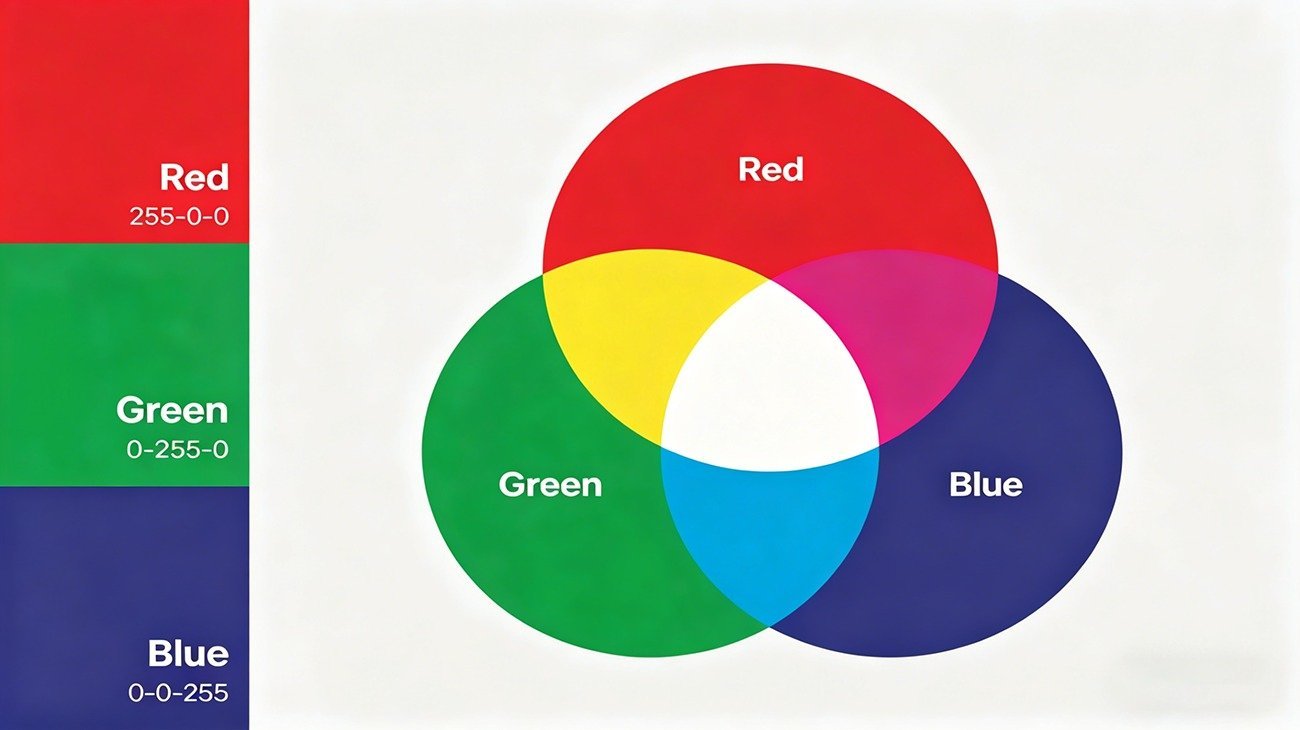
RGB (Red, Green, Blue) is a light-based additive color system for all digital displays. It creates color by mixing light beams, with values from 0-255, and produces pure white at full intensity.
Ideal use: All digital assets (websites, social media, e-commerce listings, digital ads)
Critical note: RGB is NOT suitable for packaging printing. It cannot be accurately replicated with ink, and converting RGB files to print will cause severe, unpredictable color shifts and dull results. Always use print-specific color systems for packaging.
What Is CMYK?
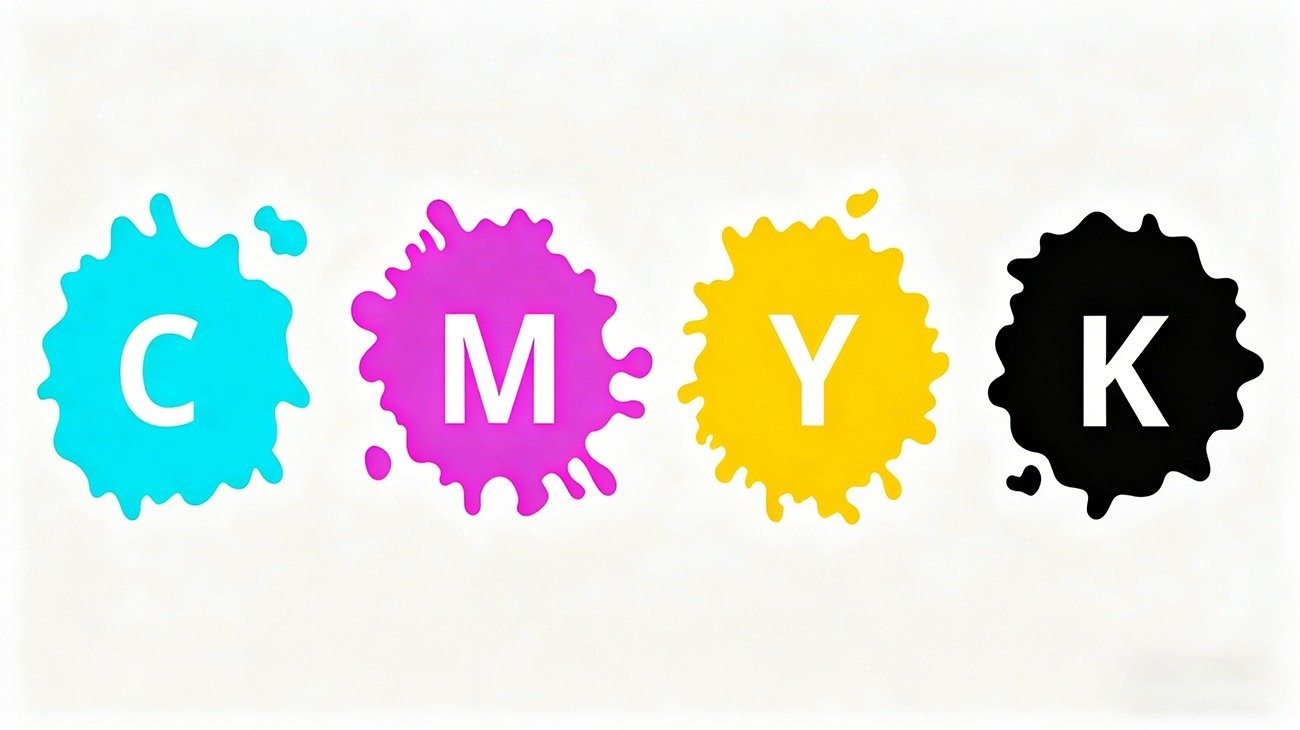
CMYK (Cyan, Magenta, Yellow, Key/Black) is a subtractive ink-based color model, the global standard for commercial packaging printing. It uses the white packaging material as a base, and darkens color by overlaying semi-transparent inks.
Core advantages: Unbeatable cost-effectiveness for full-color designs, universal compatibility with all commercial presses, versatile for most retail and e-commerce packaging.
Ideal use: Full-color photos/gradients/complex designs, small-batch printing, budget projects, standard retail and shipping boxes.
Limitations: Minor color variations across presses/materials/batches; cannot reproduce neon, metallic or brand-specific colors requiring 100% cross-location consistency.
What Is PMS (Pantone Matching System)?
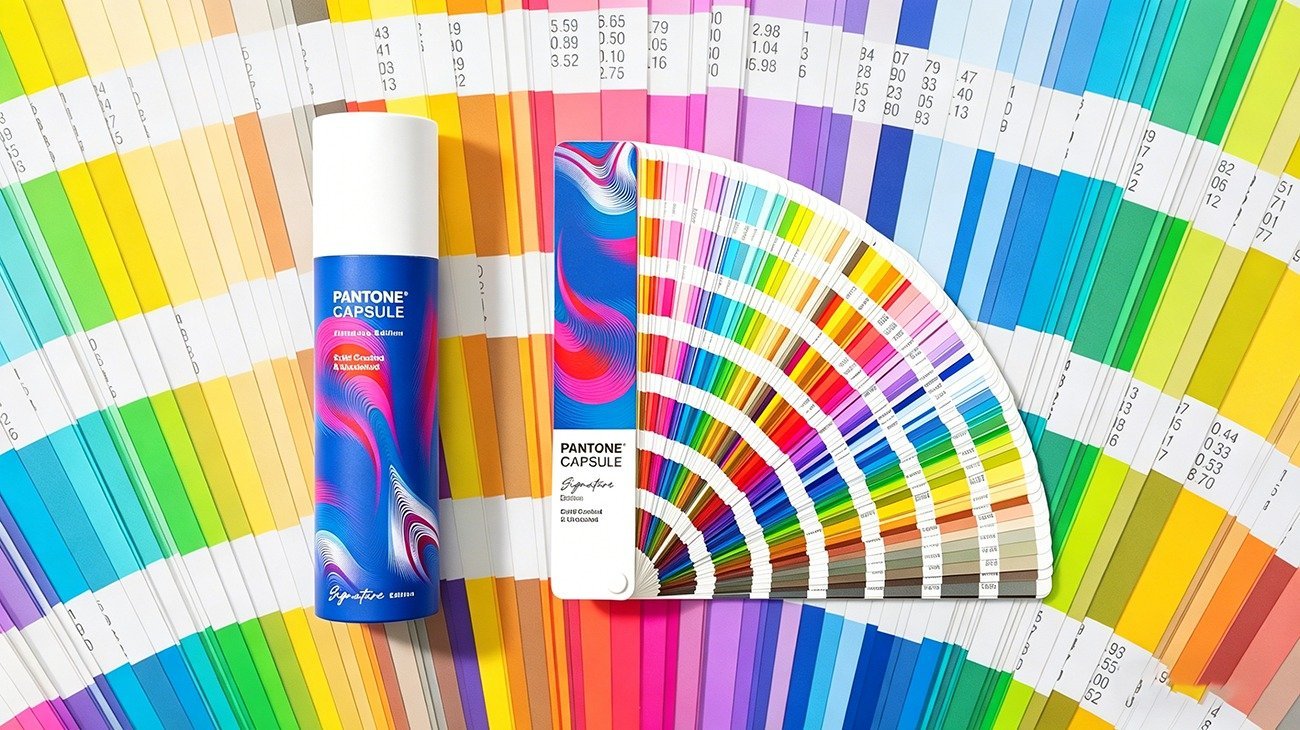
PMS is the world’s leading spot color system, using pre-formulated inks with universal unique codes. It guarantees identical color across every printer, location and production batch, which is why global iconic brands rely on it for their signature colors.
Pantone C vs U
Pantone C (Coated): For smooth, glossy coated paper, delivering vibrant, crisp results for luxury rigid boxes and high-end retail packaging.
Pantone U (Uncoated): For porous, uncoated stock (like kraft paper), producing a soft, organic finish for sustainable packaging and natural-style designs.
Core advantages: 100% color consistency, wider color gamut (neon/metallic/special hues), crisper solid color blocks and sharper small details.
Ideal use: Brand logos/taglines/core identity elements, luxury packaging, special effect inks, brands needing global color uniformity.
Cost note: Higher cost than CMYK due to specialty inks and custom plates. Most cost-effective for designs with 1-3 solid colors; not recommended for full-color photographic artwork.
Quick Comparison Table
| Feature | RGB | CMYK | PMS |
|---|---|---|---|
| Core Type | Light-based additive model | Ink-based subtractive process model | Pre-mixed ink-based spot color model |
| Main Use | Digital displays & online assets | Full-color packaging printing | Brand identity, luxury/special effect packaging |
| Color Consistency | Varies by screen | Minor cross-batch variations | 100% universal consistency |
| Cost | No printing cost | Most cost-effective for full-color | Higher, best for 1-3 solid colors |
| Printable? | No | Yes (industry standard) | Yes (premium brand standard) |
Print-Ready File Setup Key Rules
Always set your design file to CMYK color mode (never RGB) for packaging printing.
For PMS elements, use official Pantone Solid Coated/Uncoated swatch libraries, not screen color picking.
Verify all colors are correctly assigned to CMYK or PMS plates before export.
Export as a press-ready PDF with embedded fonts and no downsampling (300 DPI minimum).
Final Decision Guide
Use RGB for all digital-only assets.
Choose CMYK for cost-effective full-color custom packaging.
Pick PMS for uncompromising brand consistency, special inks, or luxury packaging.
Get Your Free Packaging Quote Today
Crown Win Box Manufacturer is your trusted partner for custom packaging printing with precision color control. From CMYK full-color boxes to PMS spot color luxury packaging, we deliver consistent, flawless results for every project.
Contact us now for a free custom quote and sample, and let’s build packaging that elevates your brand.
Email: maberry@crownwin.com.cn | WhatsApp: +86 13925505272
Frequently Asked Questions
Can I use RGB for packaging printing?
No. RGB is designed for digital screens, and cannot be accurately replicated with ink, leading to severe color shifts. Always use CMYK or PMS for packaging.
Is CMYK cheaper than PMS?
For full-color designs with more than 3 colors, CMYK is almost always cheaper. PMS is cost-effective for 1-3 solid colors with strict consistency needs.
Can I mix CMYK and PMS in one design?
Yes. Many brands use CMYK for full-color artwork and PMS for logos/brand elements, balancing cost and brand consistency.
How to avoid screen-to-print color differences?
Design in CMYK/PMS mode, calibrate your monitor, use official Pantone color books, and work with an experienced manufacturer that provides pre-production proofs.