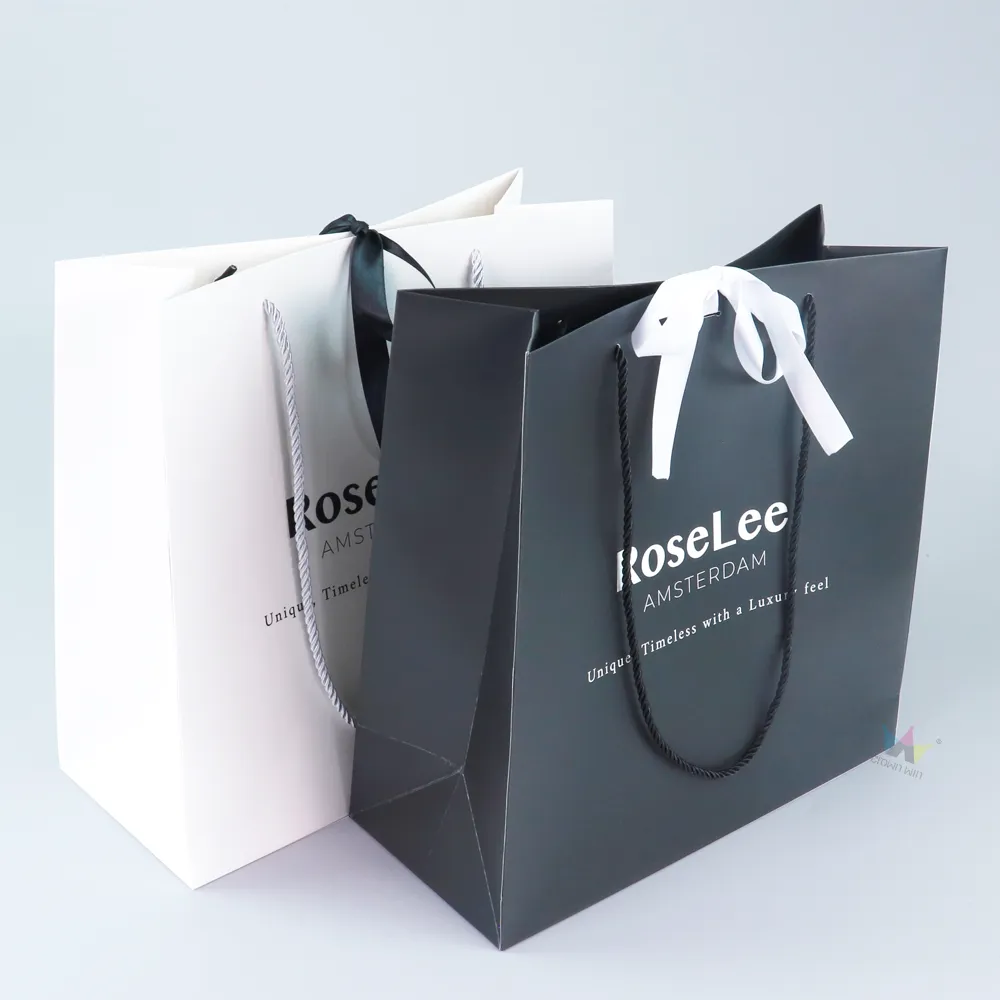
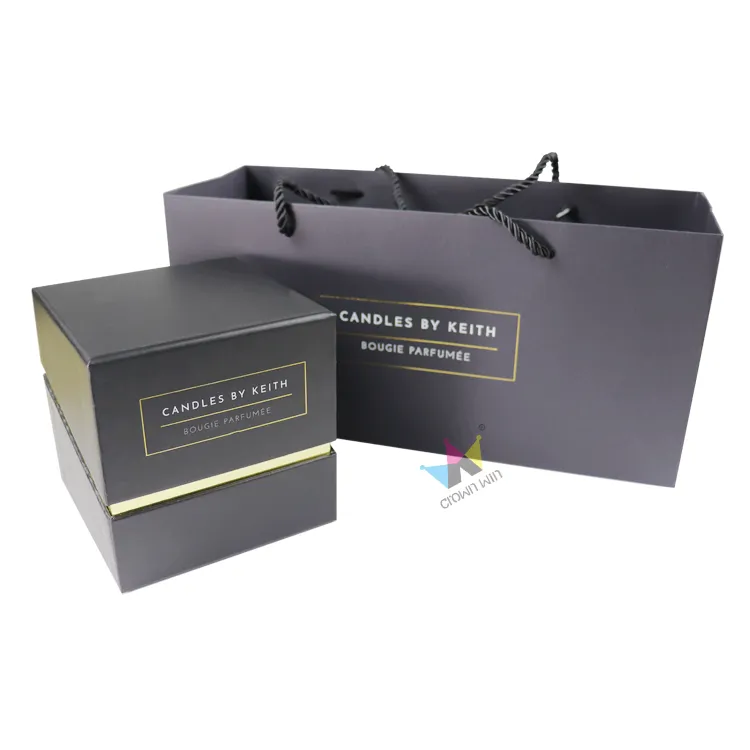
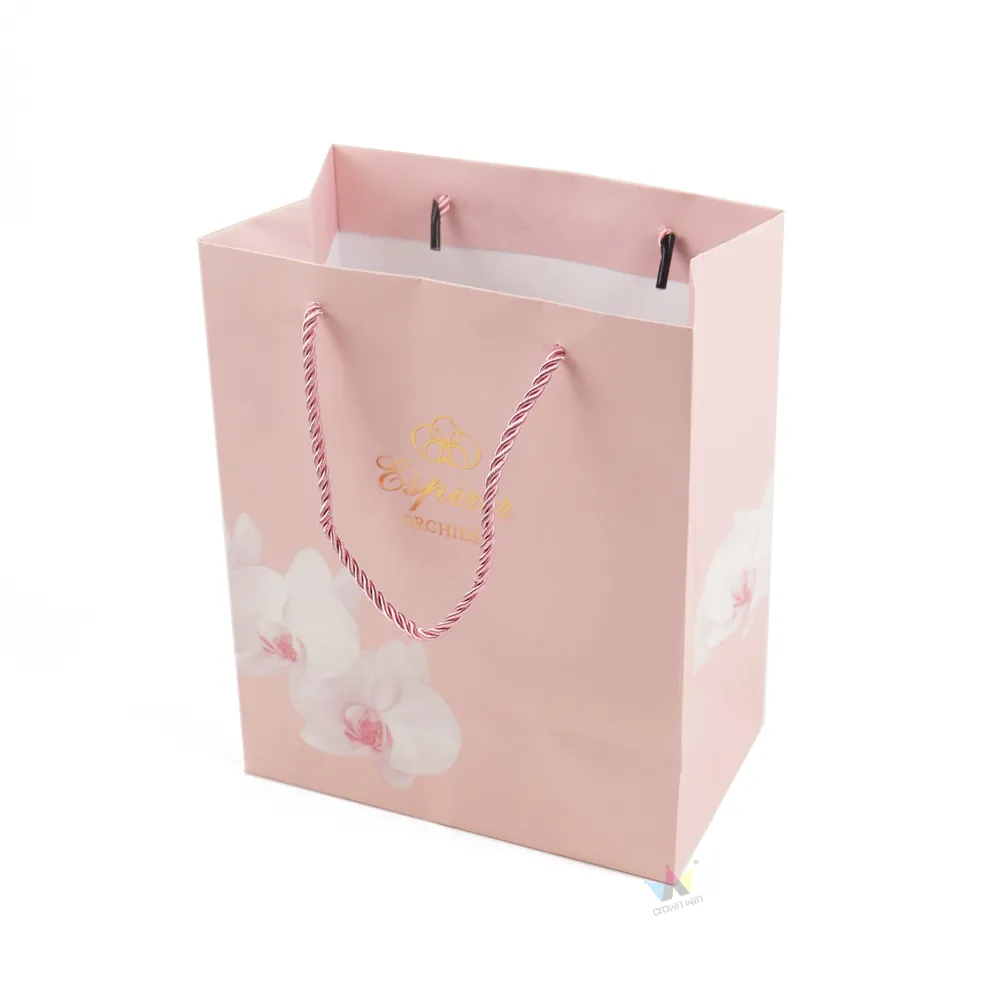
Soft-touch packaging is instantly recognizable. Its surface feels incredibly smooth with a subtle, velvety texture and a low-sheen appearance, lending a premium feel to cosmetic boxes, bottles, and gift packaging when held by the customer.
Not all beauty products are suited for this finish. It delivers the most value when tactile feel, visual presentation, and brand positioning are integral to the consumer's purchasing experience. However, if the packaging is likely to face frequent friction, contact with oily substances, or humid environments—or if it must meet strict material and recyclability standards—its suitability requires careful evaluation.
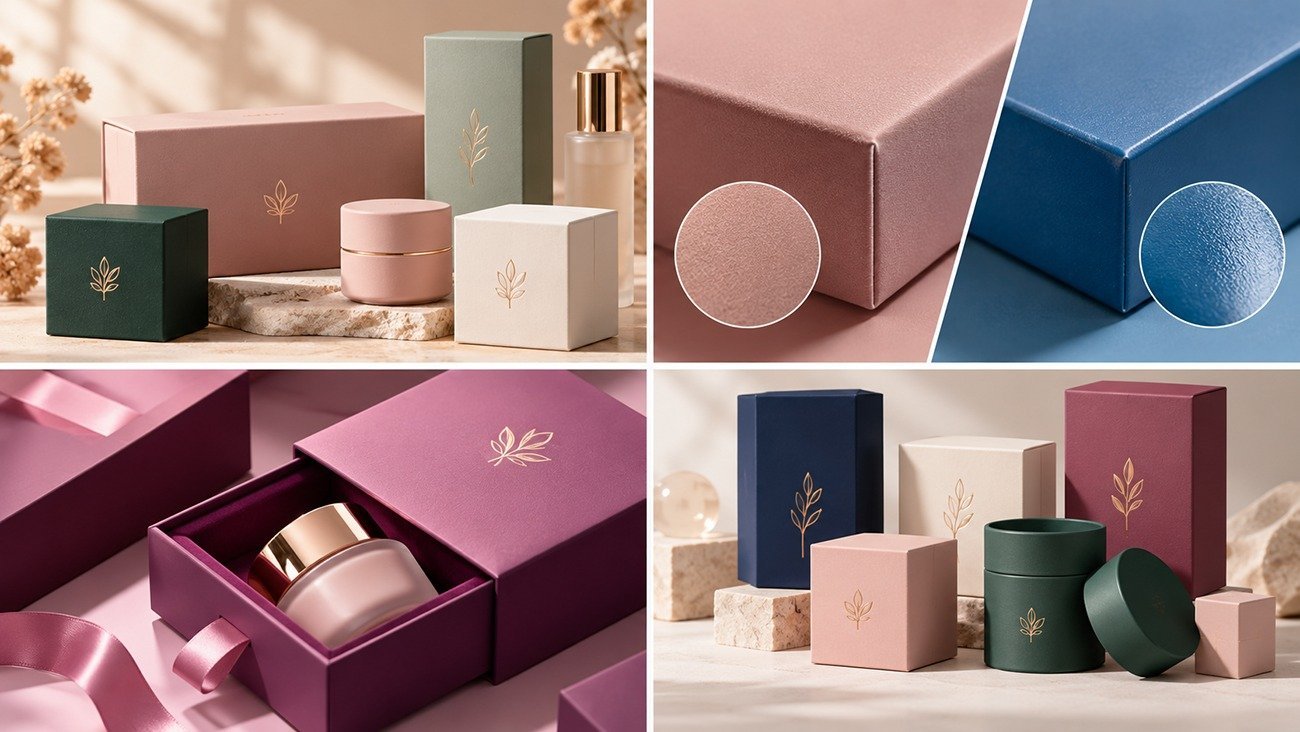
What Is Soft-Touch Packaging?
Soft-touch packaging utilizes surface coatings or treatments to create a smooth, soft tactile effect. Depending on the material, printing process, and supplier capabilities, this finish can be applied to specific paperboards and packaging components.
This finish imparts a unique texture to packaging without requiring complex structural designs. It is frequently used for premium skincare, fragrances, color cosmetics, gift sets, and wellness products, aiming to reinforce brand philosophy or value through the unboxing experience.
The soft-touch finish is considered a key element of the product specifications. It works in concert with other factors such as paperboard, graphic design, inks, lamination or coatings, logo application, and structural design.
When Should Beauty Brands Use a "Soft-Touch" Finish?
1. When the product aims to create a sophisticated, premium tactile experience
The soft-touch finish is ideal for brands seeking to convey an impression of understated elegance, smoothness, and refinement. It beautifully complements soft color palettes, clean typography, minimalist graphics, and understated metallic details.
This is particularly important for skincare, fragrance, and wellness products, as consumers expect the packaging's tactile quality to mirror the craftsmanship and sophistication of the formula or the application ritual itself.
2. When the packaging needs to stand out amidst numerous competitors
Low-sheen surfaces create visual contrast in crowded retail environments. Compared to high-gloss finishes, they also lend a softer visual quality to printed colors.
The final result depends on paper color, ink coverage, lighting conditions, and viewing angles. If there are strict requirements regarding color balance or tactile feel, it is advisable to request physical samples for verification.
3. When highlighting only a few select elements
The soft-touch finish need not be applied to the entire design. Brands can combine a matte, soft-touch base with elements such as spot foil stamping, spot UV varnish, embossing, or high-contrast printed areas (subject to material and production process compatibility).
The best designs assign a clear purpose to each finish. If multiple surface effects compete for visual attention, the packaging can appear cluttered, increasing costs without enhancing brand recognition.
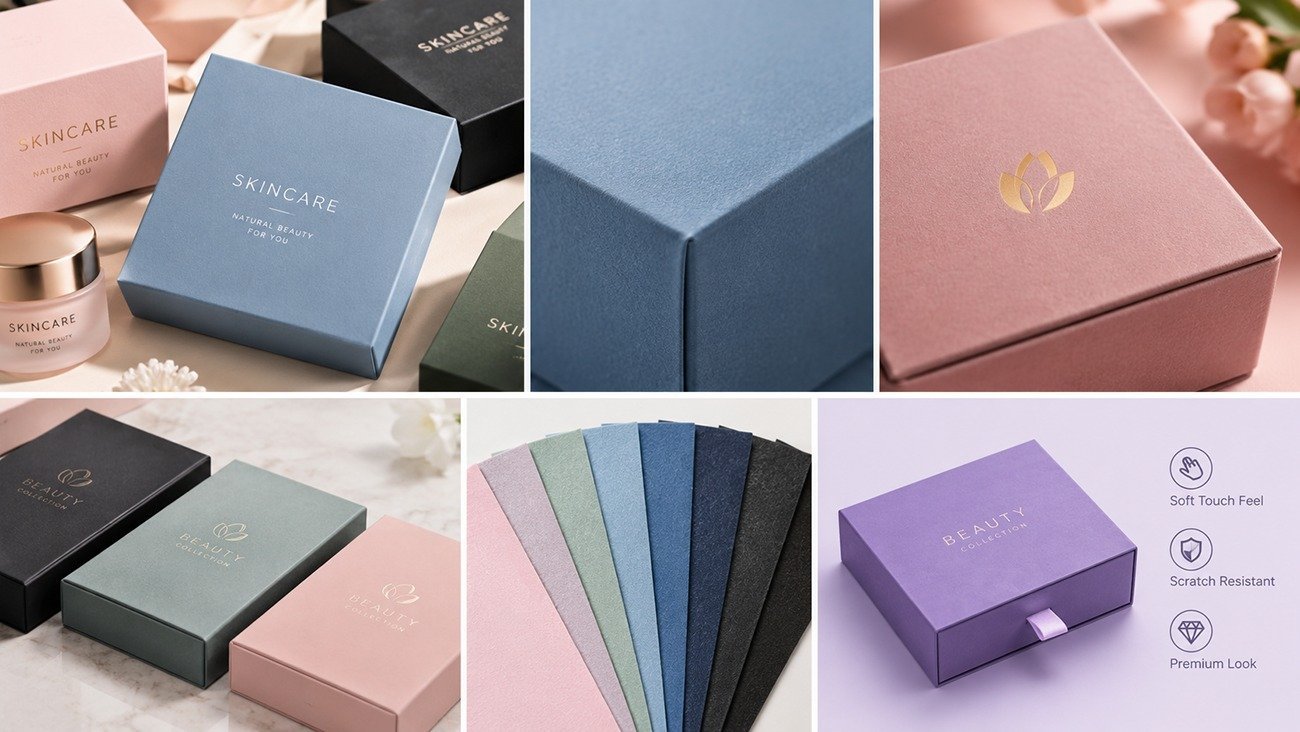
When should brands exercise caution?
If the packaging is frequently subjected to friction, oils, condensation, high humidity, or rough handling during transit, additional testing of the soft-touch finish may be required. A finish that looks flawless on a sample might show varying degrees of scuffing or wear during filling, shipping, retail handling, and delivery to the consumer.
Brands with specific sustainability commitments should also carefully evaluate this process. Coatings, adhesives, foils, inks, paperboard, and other components collectively make up the final package. A soft-touch appearance alone does not guarantee that the packaging meets recyclability, compostability, or relevant certification standards in all markets. The Sustainable Packaging Coalition has identified refillable beauty packaging as a sector where this format offers practical value, while also highlighting the recycling challenges associated with certain small-format beauty packages. This underscores a broader decision-making principle: when evaluating packaging, one must holistically consider surface finishing techniques, the overall material system, and real-world usage scenarios.
How does the "skin-feel" finish affect lead times?
This process may alter established production workflows, as suppliers may need to verify material compatibility, create proofs or samples, and conduct surface quality inspections following printing and finishing.
Lead times may be extended in the following situations:
Use of new paperboard or coating combinations
Requirement for multiple rounds of color and finish validation
Addition of hot stamping, embossing, spot varnish, or other effects to the "skin-feel" finish
Involvement of multiple packaging sizes or design versions
Need for testing regarding abrasion resistance, adhesion, moisture resistance, or compatibility with packaging line operations
Do not apply standard lead-time estimates for conventional printed paper cartons directly to beauty packaging that utilizes complex surface finishes. Instead, require suppliers to provide a detailed project schedule covering design confirmation, prototyping, approval, production, quality inspection, and shipment.
What raw material trends should purchasers monitor?
Purchasers of beauty packaging are increasingly evaluating and comparing paperboard, plastic, glass, aluminum, refillable formats, and paper-based alternatives. Mintel reports indicate that while plastic remains in use, the industry is shifting toward glass, aluminum, and next-generation paper-based materials; simultaneously, the packaging sector continues to explore how refillable models can balance convenience with environmental objectives. For "soft-touch" projects, be sure to confirm the following details with the supplier:
Specific paperboard or substrate and its thickness
Surface treatment method (e.g., coating, lamination, or other)
Compatibility with printing, hot stamping, embossing, and folding processes
Handling and storage requirements for the finished packaging
Compliance documentation supporting material claims for the target market
Availability of testing or prototyping prior to mass production
Material trends should serve as a reference for deeper inquiries rather than a substitute for project-specific testing. The ideal surface treatment solution should balance product characteristics, supply chain requirements, brand positioning, and the customer experience.
What information should beauty brands provide when placing an order?
Before requesting a quote, please prepare a concise yet comprehensive project brief covering:
Product type and packaging format
Finished dimensions and approximate product weight
Target market and intended usage environment
Paperboard or substrate preferences (if any)
Design files, color references, and logo treatment
Desired soft-touch effect and other surface treatments
Quantities for each size and design version
Sample requirements and approval deadlines
Target delivery date and destination
Documentation requirements regarding sustainability, labeling, or packaging
If you are unsure whether the "soft-touch" finish is suitable, you can provide existing packaging designs and product photos. Suppliers can discuss surface effects, structural design, and the prototyping process with you before the final process is determined.
Submit a quote request form now to have Crown Win evaluate your product format, design, materials, surface treatments, quantities, and target delivery date.
Sources
Mintel: "The Future of Beauty Packaging" (Updated February 2026)
HCP Packaging: 2025–26 Caresse Beauty Packaging Trends
Sustainable Packaging Coalition: 2025 Sustainable Packaging Trends Report
Crown Win Manufacturer: Custom Packaging Services and Quote Requests